
The AI Arms Race in Hiring
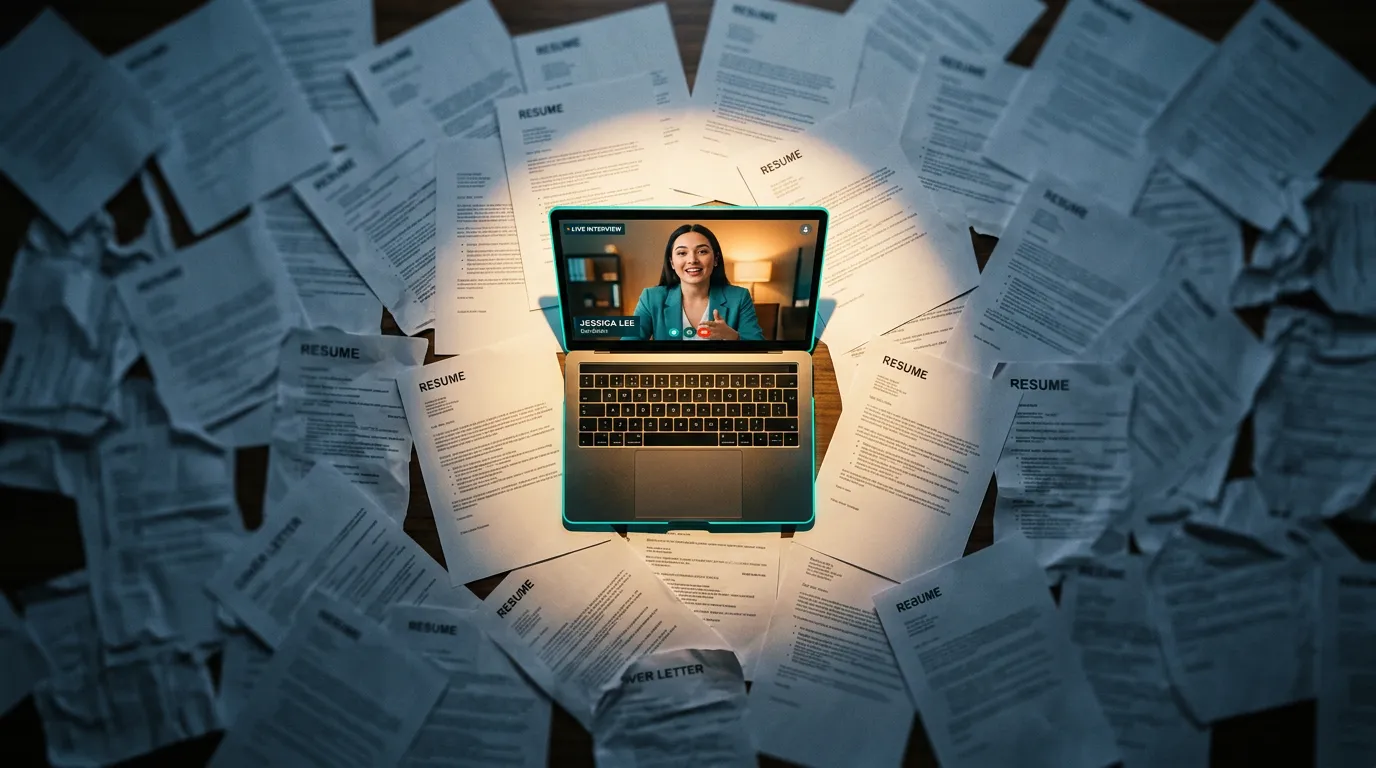
Something unusual is happening in recruitment right now. Companies are deploying AI to screen resumes, rank candidates, and even conduct first-round interviews. At the same time, job seekers are using AI to generate tailored resumes, craft cover letters, and rehearse answers. Both sides are automating, and it's creating a strange new dynamic.
A January 2026 report from The Economist described it as an "arms race." Recruiters who once celebrated AI's ability to filter thousands of applications are now finding that candidates' AI-polished resumes all look eerily similar: perfectly keyword-matched, flawlessly structured, and almost impossible to differentiate.
Meanwhile, Indeed's latest labour market data shows job searches are up 31% compared to late 2025, meaning more applications are flooding in than ever. The result: hiring managers are drowning in a sea of AI-optimised sameness.
So how do you actually stand out?
Why AI-Optimised Doesn't Mean Interview-Ready
Here's the disconnect most candidates miss. AI tools are excellent at getting you past the initial screen: matching keywords, formatting your resume, even generating plausible cover letters. But they can't do the thing that actually wins you the job: performing well in a live conversation.
A Gartner survey found that only 26% of applicants trust AI to evaluate them fairly. Companies know this too. That's why, even as AI handles more of the screening process, the live interview is becoming more important, not less. It's the one stage where a human (or a human watching you interact with an AI interviewer) can assess what no resume can show: how you think on your feet, how you communicate under pressure, and whether you're genuinely the person your application claims you are.
The irony is clear: the more AI polishes the early stages, the more the interview itself becomes the deciding factor.
What's Actually Changed in 2026
AI Screening Is Nearly Universal
93% of recruiters now plan to use or increase AI usage in their hiring process. If you're applying to a mid-size or large company, assume your resume is being read by a machine before a human ever sees it. This means keyword alignment still matters, but it's table stakes, not a differentiator.
First-Round AI Interviews Are Growing
More companies are using AI-powered video interviews for initial screening. These tools analyse not just what you say, but how you say it: your pacing, confidence, structure, and even filler word frequency. If you've never practised speaking to a camera without a human on the other side, this format can feel unnatural and throw off your performance.
Interviewers Are Specifically Testing for Authenticity
Hiring managers are increasingly aware that candidates may have used AI to prepare. Some are deliberately asking follow-up questions designed to probe depth: "Walk me through exactly how you did that," "What specifically was your contribution versus the team's?" or "What would you do differently if you faced that situation again?" Surface-level, AI-generated answers crumble under this kind of scrutiny.
5 Ways to Stand Out in an AI-Driven Hiring Market
1. Use AI to Prepare, Not to Perform
There's nothing wrong with using AI to research a company, brainstorm answers, or identify gaps in your resume. The problem starts when you memorise AI-generated answers verbatim. Interviewers can tell. The phrasing is too polished, the examples lack sensory detail, and the candidate can't go deeper when pressed.
Instead: Use AI as a starting point, then rewrite everything in your own voice with your own specific examples. If you can't explain it naturally in conversation, it shouldn't be in your answer.
2. Lead With Specifics That AI Can't Fabricate
The strongest interview answers contain details that are clearly drawn from real experience: a specific metric, a colleague's name (first name only), a particular tool or process, a mistake you actually made. These details are what separate a genuine answer from a plausible-sounding one.
Example: "We reduced API response time from 340ms to 90ms" is far more credible than "I significantly improved system performance." The first answer sounds like someone who was there. The second sounds like it could have been generated by anyone.
3. Practice Speaking, Not Just Writing
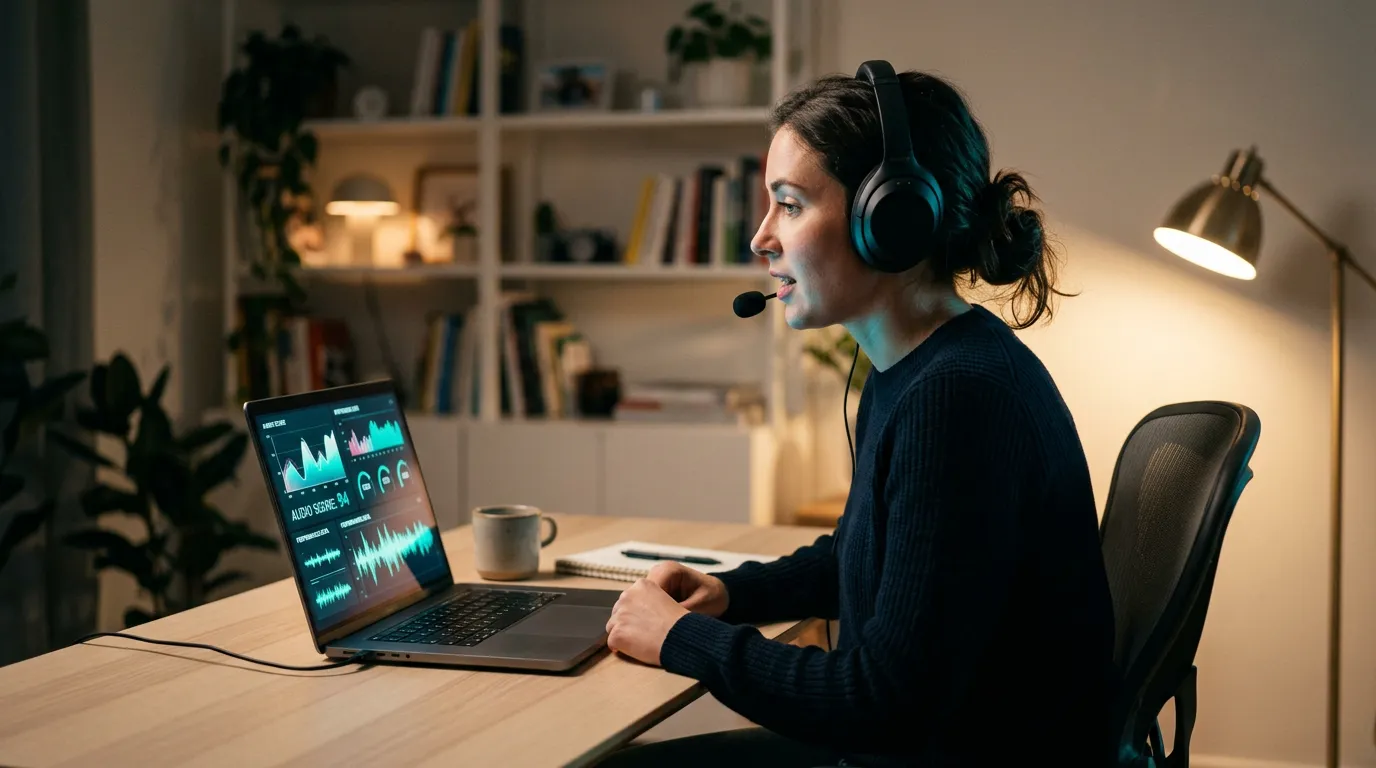
Most AI preparation tools help you craft written answers. But interviews are spoken. The skills are different. You need to practise saying your answers out loud, hearing where you stumble, where you use filler words, where your pacing drops.
Record yourself answering common questions. Listen back. You'll immediately notice things that looked fine on paper but sound awkward when spoken. A voice-based AI mock interview makes that feedback loop closer to the real conversation, rather than another writing exercise. The candidates who practise verbally consistently outperform those who only prepare in writing.
4. Prepare for Depth, Not Just Breadth
In 2026, expect interviewers to go two or three levels deep on your answers. If you say you "led a migration project," be ready to explain the technical decisions, the trade-offs you considered, the pushback you received, and what you'd change in hindsight.
A good test: For every story in your preparation, ask yourself "What if they ask me why?" three times in a row. If you can answer all three, you're ready. If you run out of substance after the first, you need a better example.
5. Show Self-Awareness That AI Can't Fake
The one thing AI consistently struggles to replicate is genuine self-awareness. When a candidate honestly discusses a mistake, explains what they learned, and describes how they changed their approach, with real emotion and specificity, it's immediately distinguishable from a generated response.
Don't be afraid to be honest about what you don't know or where you fell short. Interviewers in 2026 are specifically looking for this kind of authenticity as a signal that the person in front of them is real.
The Bottom Line
AI has made it easier to apply for jobs and harder to stand out. The candidates who win in this environment aren't the ones with the most polished AI-generated materials. They're the ones who can back up their applications with genuine, well-practised, deeply specific interview performances.
The resume gets you in the door. The interview gets you the job. And no amount of AI optimisation can replace the work of actually practising your answers out loud, building real stories from real experience, and showing up as a prepared, authentic human being.
That's the competitive advantage in 2026: being undeniably, verifiably you.
Adrian, Instant Interview